
Do you remember the last time you heard good news about the gaming industry?
There are successful releases and promising announcements, but what about something that impacts the entire sector? Something uplifting — something that gives us reason to believe that in five, ten, even twenty years from now, games will be better than they are today. Something that makes you think “I’m glad the industry is moving in the right direction.”

We’ll bet it’s hard to think of anything recent that fits the bill. Instead, mass layoffs, studio closures and cancelled games spring to mind with alarming ease. The constant threats that generative AI brings certainly don’t help either. And it’s no exaggeration to say that behind most of these grim stories stands a corporation that has lost its bearings.
Gaming corporations have faced criticism for as long as they’ve existed — for their production-line approach, their lack of personality, and their excessive caution. Yet that criticism always felt somewhat reactionary — even perhaps a little affected — because deep down we understood: this was the price of progress. Yes, they relied on proven formulas — but that reliance allowed them to confidently invest in incredibly expansive game worlds and develop cutting-edge technology. Yes, the attempt to please everyone led to standardization and a smoothing of individual character — but that’s precisely how they expanded the market and attracted new audiences. And ultimately, everyone benefited.
But today — and we’d wager you feel the same way — we sense that this delicate balance has been seriously disrupted. Talented people have lost their jobs before, of course. But increasingly today, these losses aren’t the result of objective business challenges; they’re merely a means to generate prettier quarterly reports. Unsuccessful projects have been shut down before. But now we hear of major releases vanishing without a trace in a matter of days, simply because key decisions were forced by people who consider themselves effective managers. Technology has sometimes overshadowed creativity before. But now, for the first time, it threatens to supplant the very essence of creativity itself.
What seemed yesterday like the inevitable costs of big money and massive scale has today taken on a new character, one that is truly cruel and inhumane.
This inevitably brings to mind the history of Hollywood. An industry built by dreamers and innovators, it grew explosively during its Golden Age — only then to spend decades ossifying. The major studios became increasingly unwieldy; budgets and timelines ballooned uncontrollably; and characters and stories seemed increasingly sanitized and detached from reality. In the 1960s, this worn-out edifice began to creak and buckle — and during the “New Hollywood” era, creators once again took center stage, at least for a time.
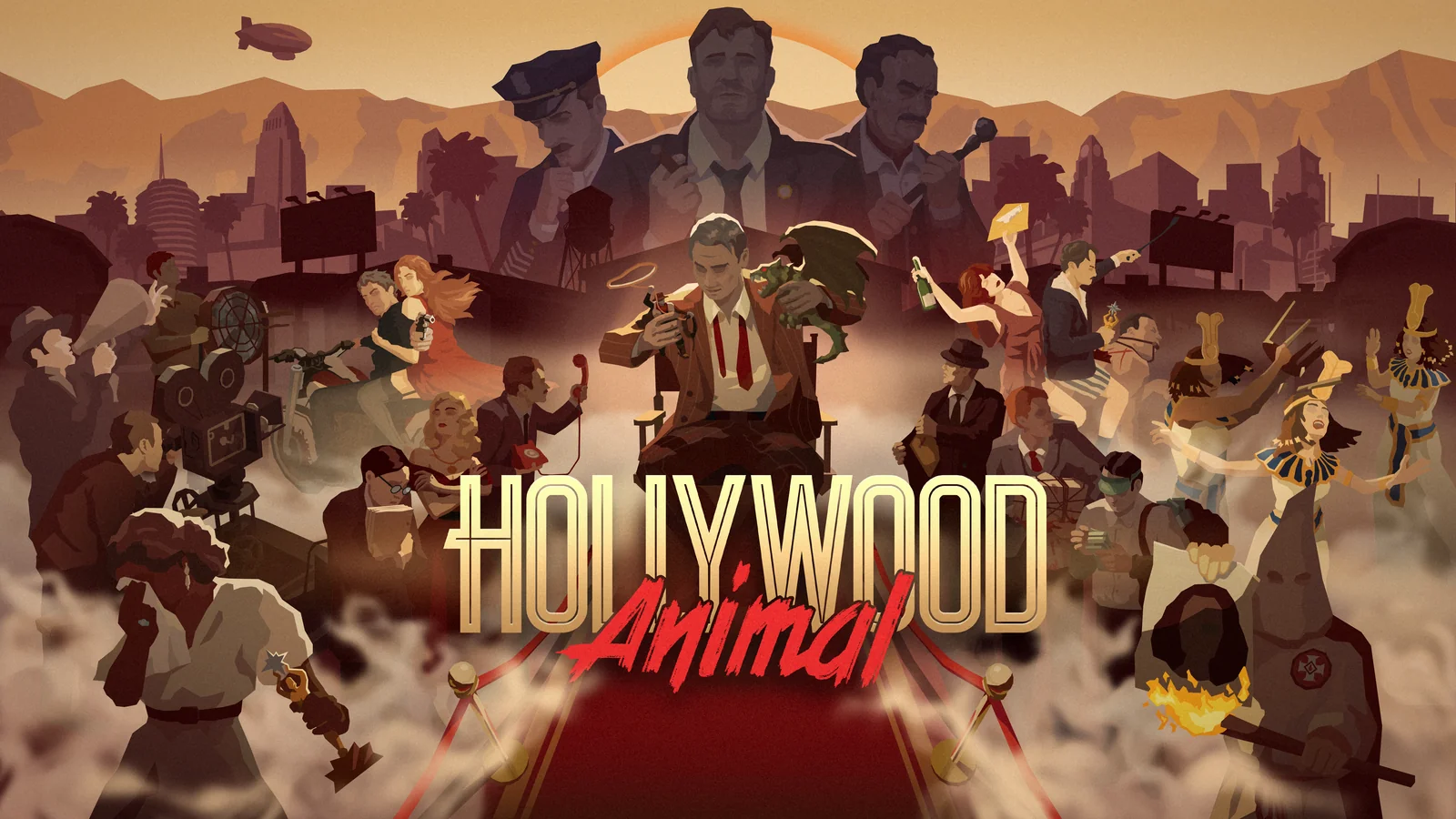
Do similar developments await the video game industry? We wouldn’t venture to predict — for although there are some obvious similarities, the differences are even greater. But one thing is certain: we’re not waiting around for the old order to collapse and bury us beneath its rubble. We want to try building something new — right now.
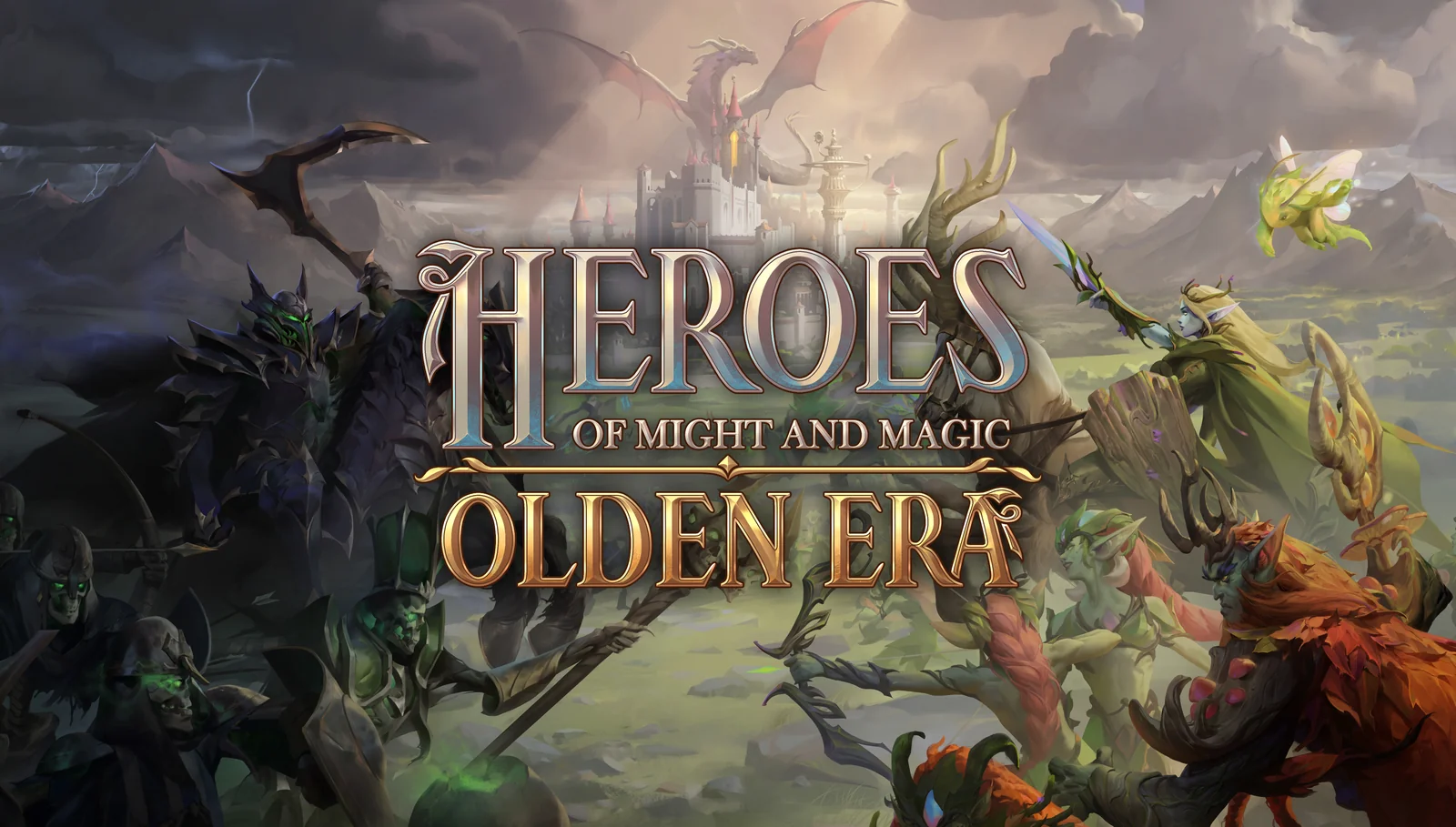
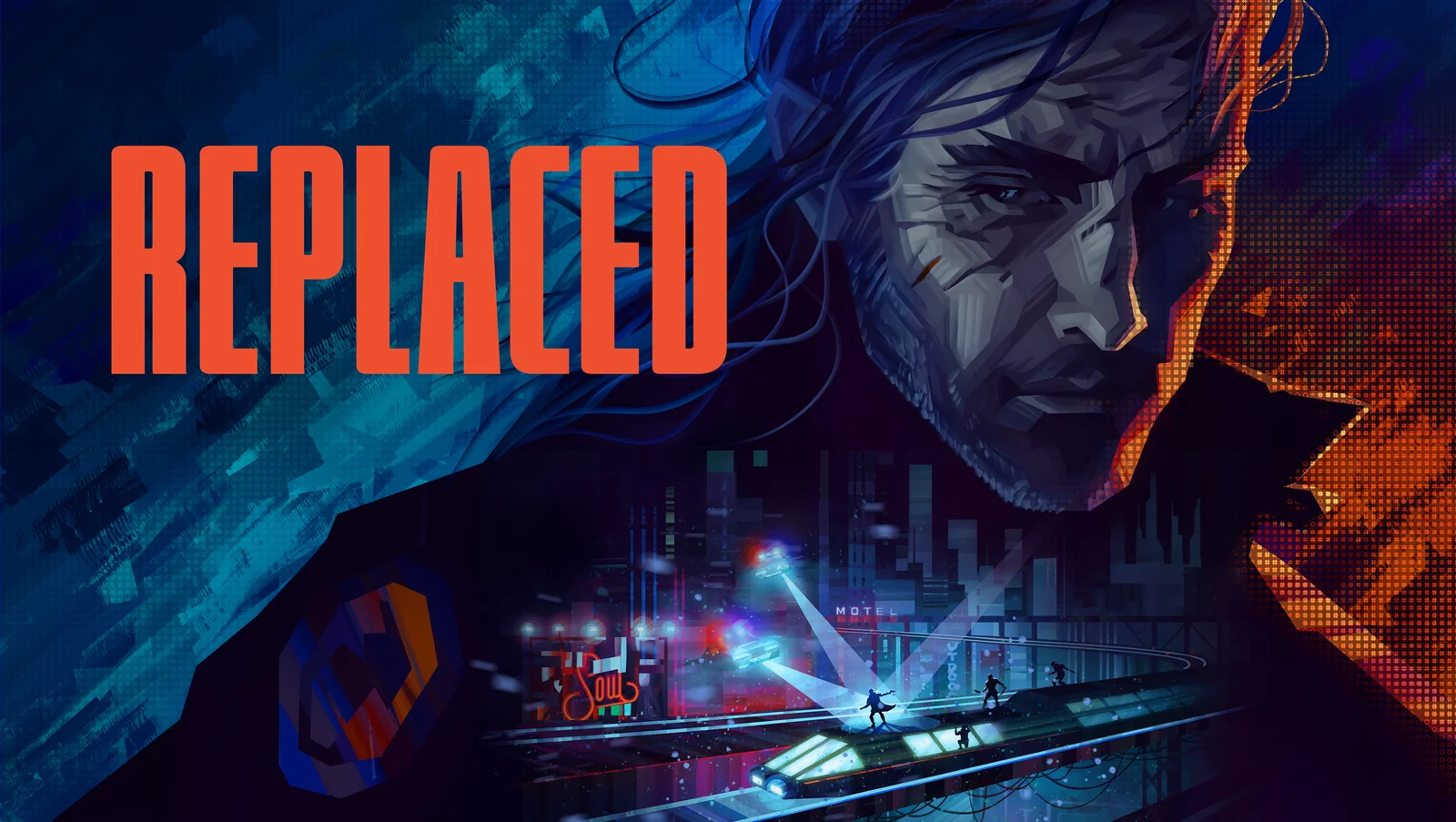
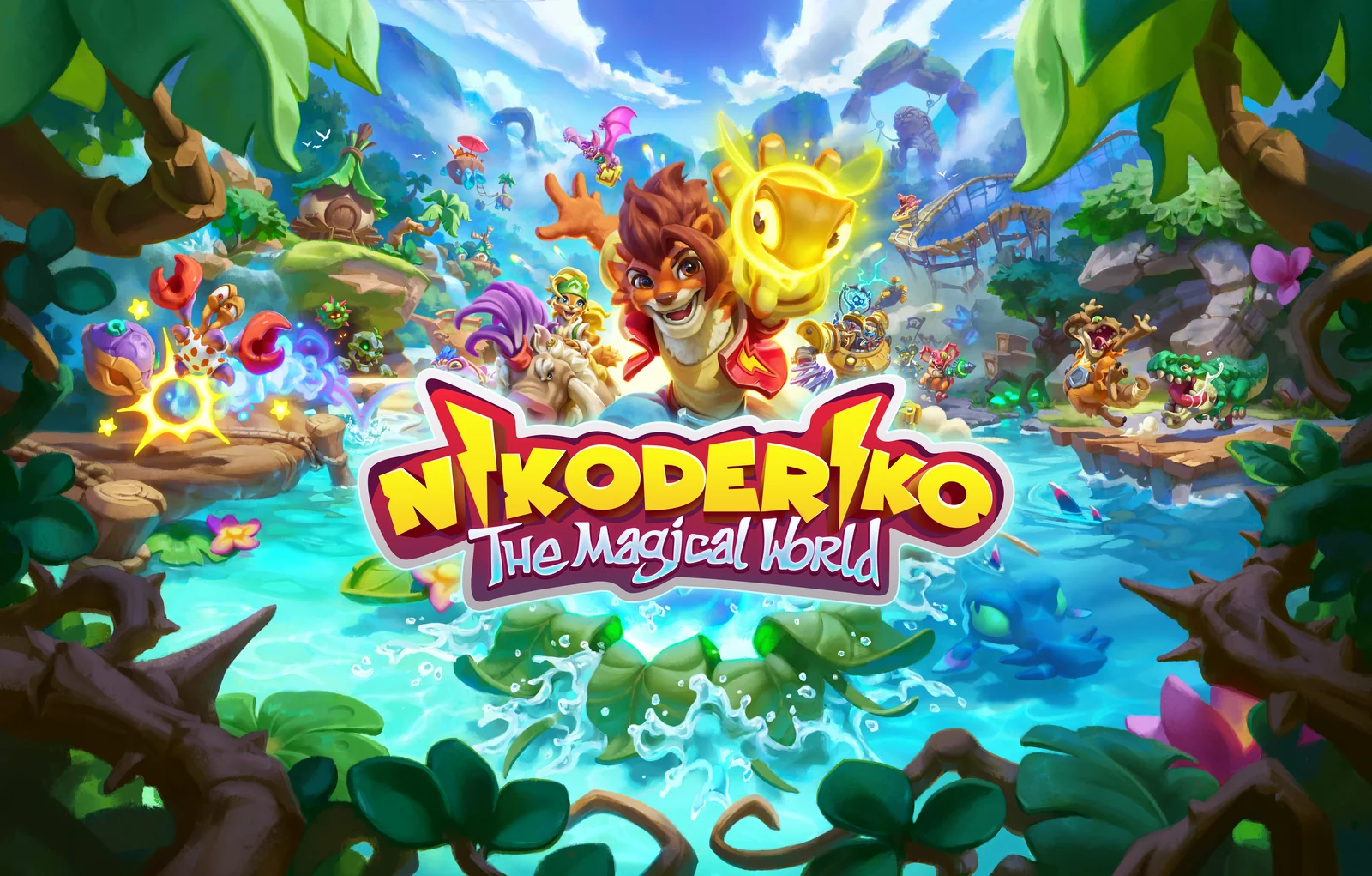
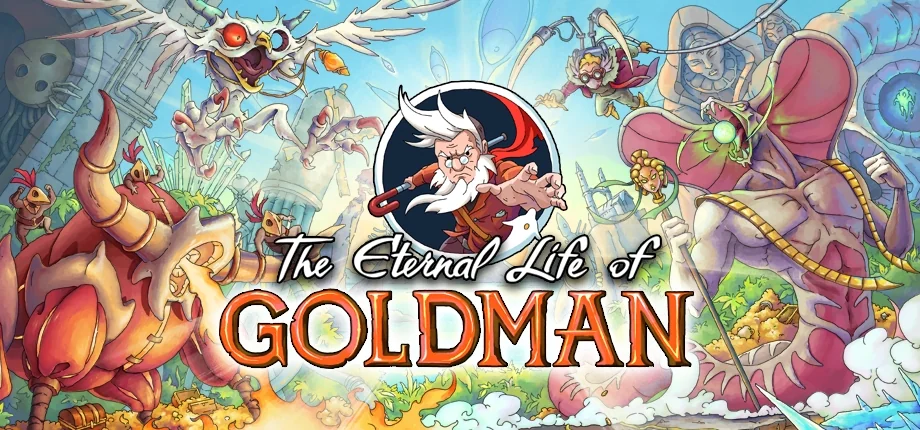
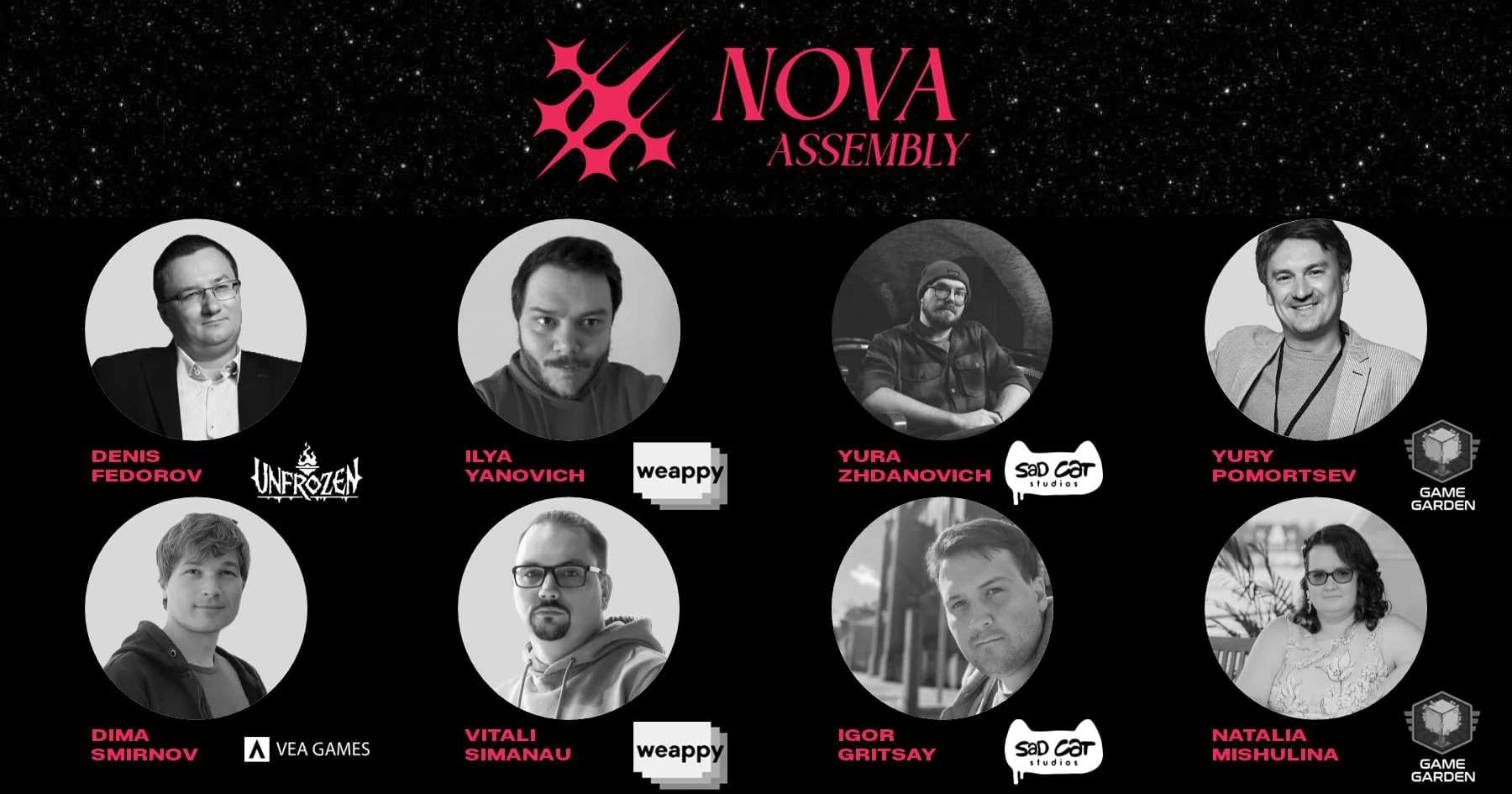
That’s why we — five independent studios: Unfrozen, Sad Cat, VEA Games, Game Garden, and Weappy — have decided to join forces. We believe this is the only way we can truly thrive.
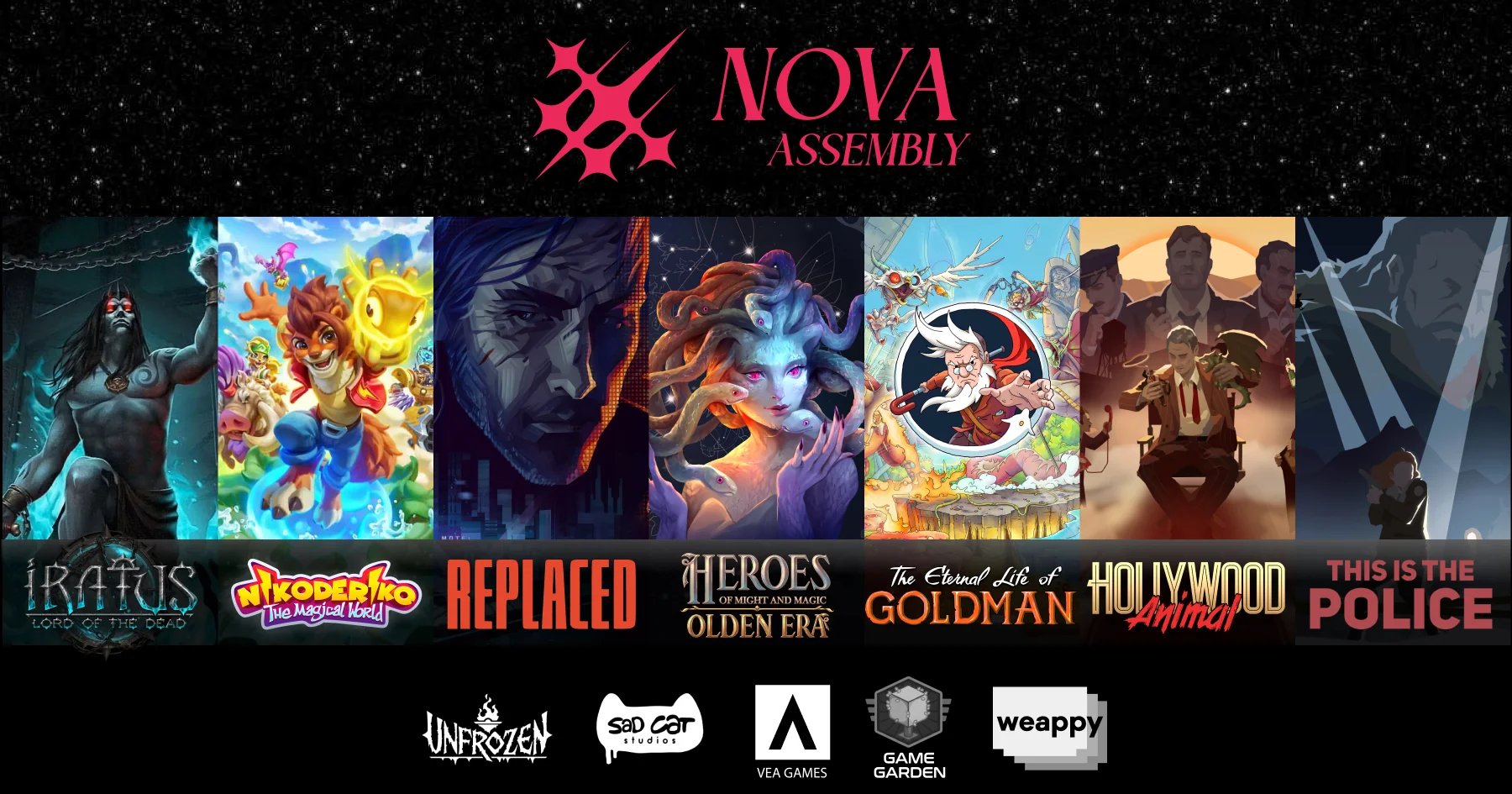
Of course, there are still plenty of independent developers who manage without any alliances. After all, each of us managed to get by somehow. We assembled our own teams, secured our own funding, and tailored our workflows to suit our specific needs — without relying on imposed formulas.
But as we know all too well, every game that actually makes it to release is a minor miracle. And a game from an independent developer that not only reaches release but also finds its audience — that’s no minor miracle. Our initiative aims to ensure that such “miracles” cease to be an isolated feat of individual heroism, or a lucky twist of fate. We’d rather rely on something more rooted and enduring. In today’s turbulent world, we want good things to happen in a pleasantly predictable manner — rather than happening despite all odds.
What does this mean in practice?
Our various dev teams won’t all be working on a single project. Each studio will continue to develop their own independent ideas. We’ve come together not to homogenize, but because of our common approach that prioritizes creative vision above all else.
However, we will share absolutely everything that can be shared.
We will support each other with resources. If one team has just launched a successful game while another needs financial backing, we can resolve the matter internally — and avoid making ruinous compromises.
We will support one another with knowledge and technology. If a team requires a specialist with a specific skillset to tackle a particular challenge, it’s far more sensible to temporarily bring in someone from another team, rather than scrambling around for outside assistance. If a team has developed a flexible dialogue editor or devised a clever process or optimization, everyone should be able to benefit.
We intend to build our own publishing arm. We value all the partners we currently work with, but looking forward, we want to be the ones deciding how we market and release our games. We want to establish a direct line of communication with our audience and with the various gaming platforms.
And surely the most important point: making games is hard; making games is daunting; and there’s nothing more valuable than the sense you aren’t alone in the endeavor. It’s always a joy to share success with friends — but it’s far more crucial to know that there’s someone willing to share the burden of your mistakes and missteps — so we can be bold enough to take creative risks.
Don’t get us wrong: we’re not harboring any delusions that we alone can “save” the video game industry. All we dare hope is that, if all goes well, we can serve as a positive example — and inspire others to challenge the status quo.
For a long time, their own courage and tenacity were the only things that independent developers had, versus the cold, organized machinery of the corporations. Today, we wish to counter that with our own form of organization — one that is more flexible, more honest, and ultimately, we hope, more enduring. And only with your support will this endeavor stand a chance.
Co-Founders of Nova Assembly
Unfrozen · Sad Cat Studios · VEA Games · Game Garden · Weappy